
Panelling for older houses
Period Panelling in Winchester and Hampshire
Panelling for period houses, set out to suit the proportions of the room and scribed to walls that are rarely straight.
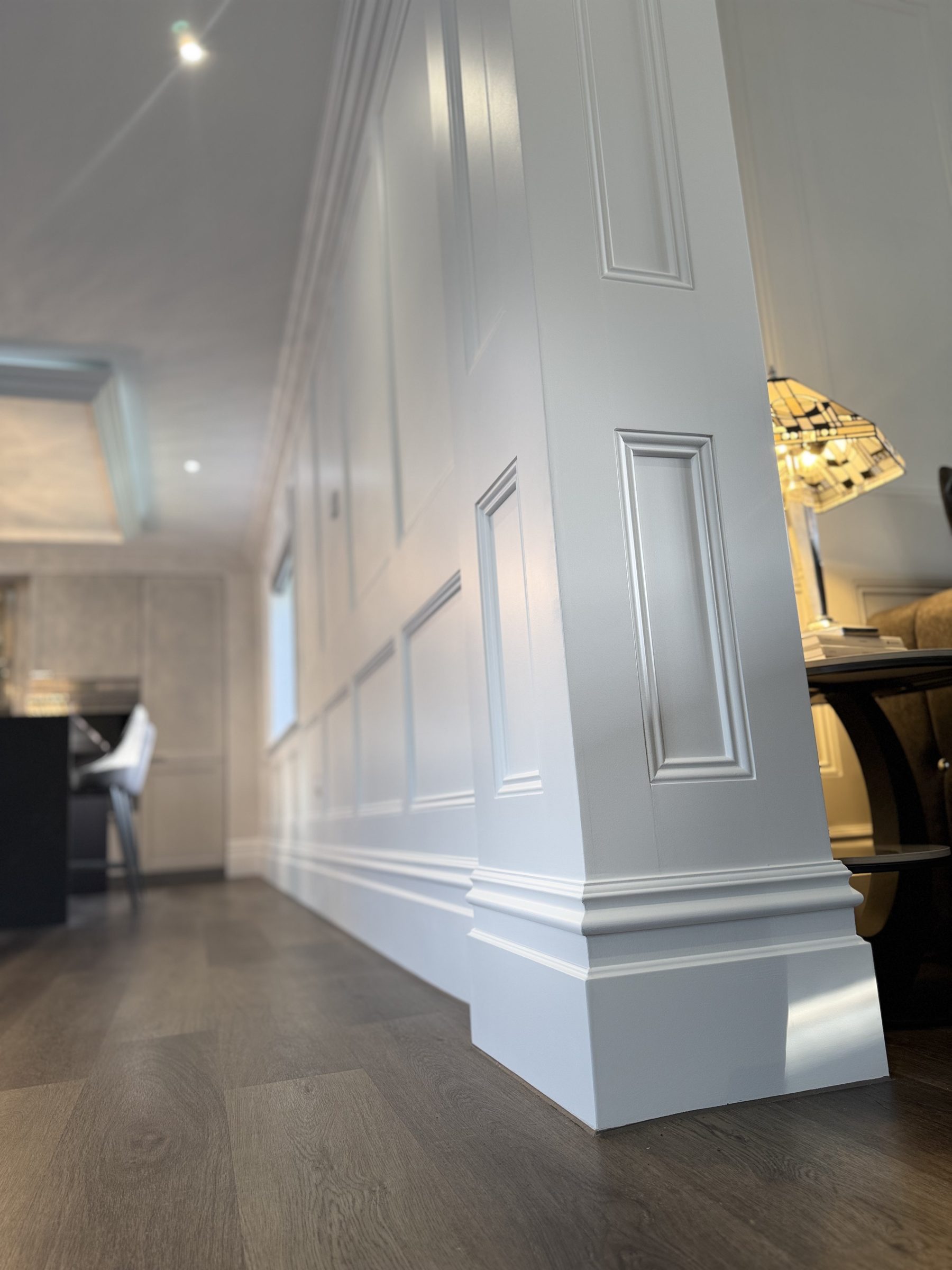
We panel hallways, dining rooms, sitting rooms and staircases in period houses, matching the style and proportions of the room.
Older houses were built with panelling, dado rails and picture rails as part of the room. Adding panelling to a period house means matching that language, not fighting it.
We set the panelling out from the room's existing features: the chimney breast, the windows, the ceiling height and any original mouldings that survive. Heights and panel widths are chosen to suit those proportions.
Walls and ceilings in period houses are rarely square. Every run is scribed to the wall as it is, so the finished panelling sits tight against uneven plaster.
What period panelling involves
- Victorian, Georgian and earlier styles
- Set out to the room's existing proportions
- Scribed to uneven walls and ceilings
- Mouldings made to match existing profiles
Victorian and Edwardian panelling
Victorian and Edwardian houses usually suit dado-height panelling in hallways and dining rooms, with a moulded rail on top. The rail height is set against the staircase string and the window sills, not picked at random.
See also: hallway and staircase panelling.
Georgian and earlier panelling
Georgian rooms were often panelled to full height or two thirds. Jacobean-style panelling, with smaller square panels in rows, suits older houses still. Both need the panel widths set out evenly across each wall.
Panelling in listed buildings
Internal joinery in a listed building can need listed building consent, so check with the planning authority before work starts. The panelling itself is fixed to battens, which keeps disturbance to the original fabric low.
See also: panelling in listed buildings.
Period panelling questions
- Can panelling be added to a listed building?
- Often yes, but listed building consent may be needed for internal work. Check with your local planning authority first. Our listed buildings guide explains what is usually involved.
- What style of panelling suits a Victorian house?
- Taller dado-height panelling with a moulded rail suits most Victorian rooms, with panel widths set out to the chimney breast and windows.
- What about a Georgian house?
- Georgian rooms suit taller, more formal panelling, often full height or two thirds height, with regular panel widths.
- Can new mouldings match the originals?
- Yes. We take a profile from the existing mouldings and make new sections to match.
Examples of our joinery
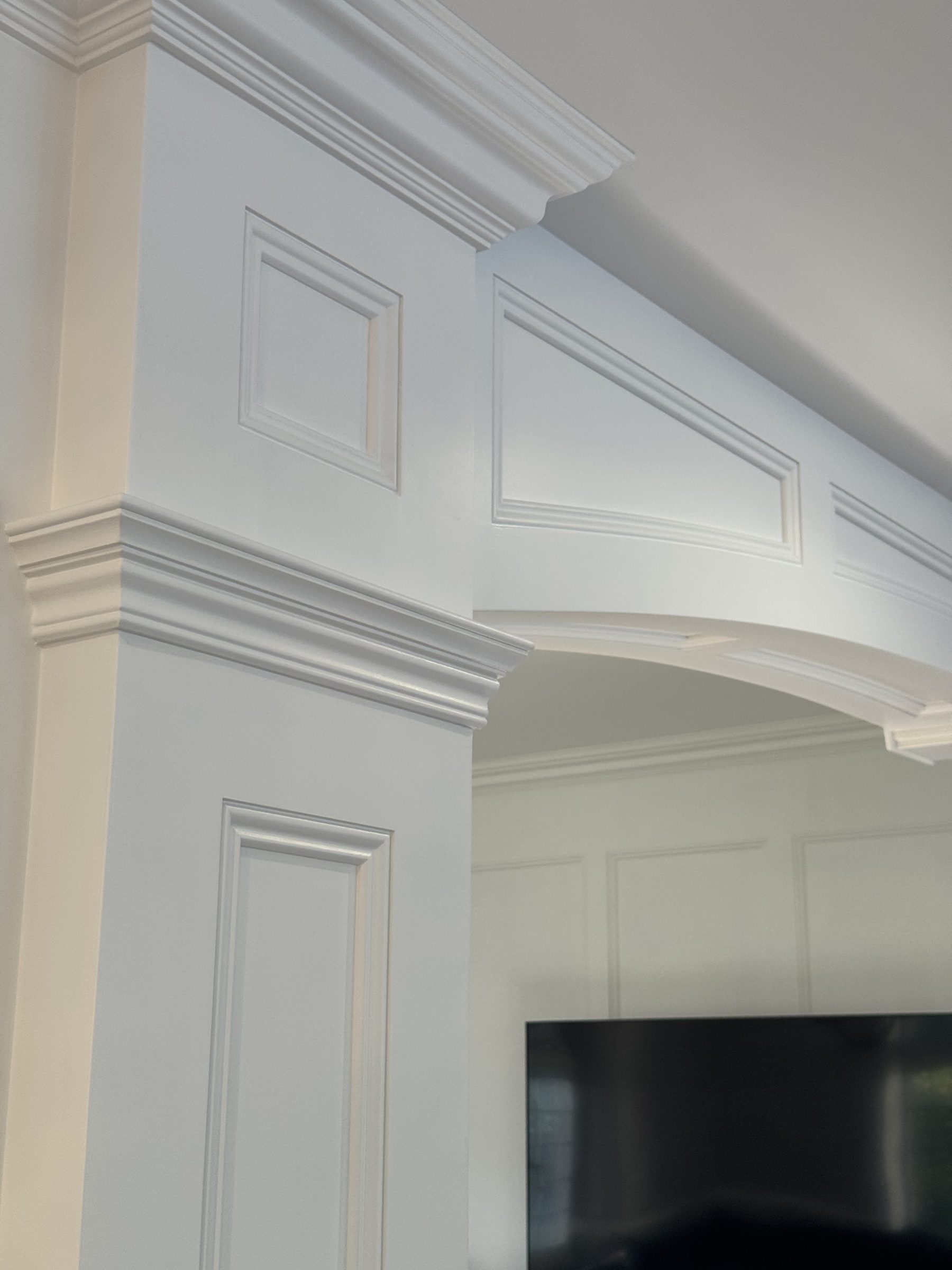
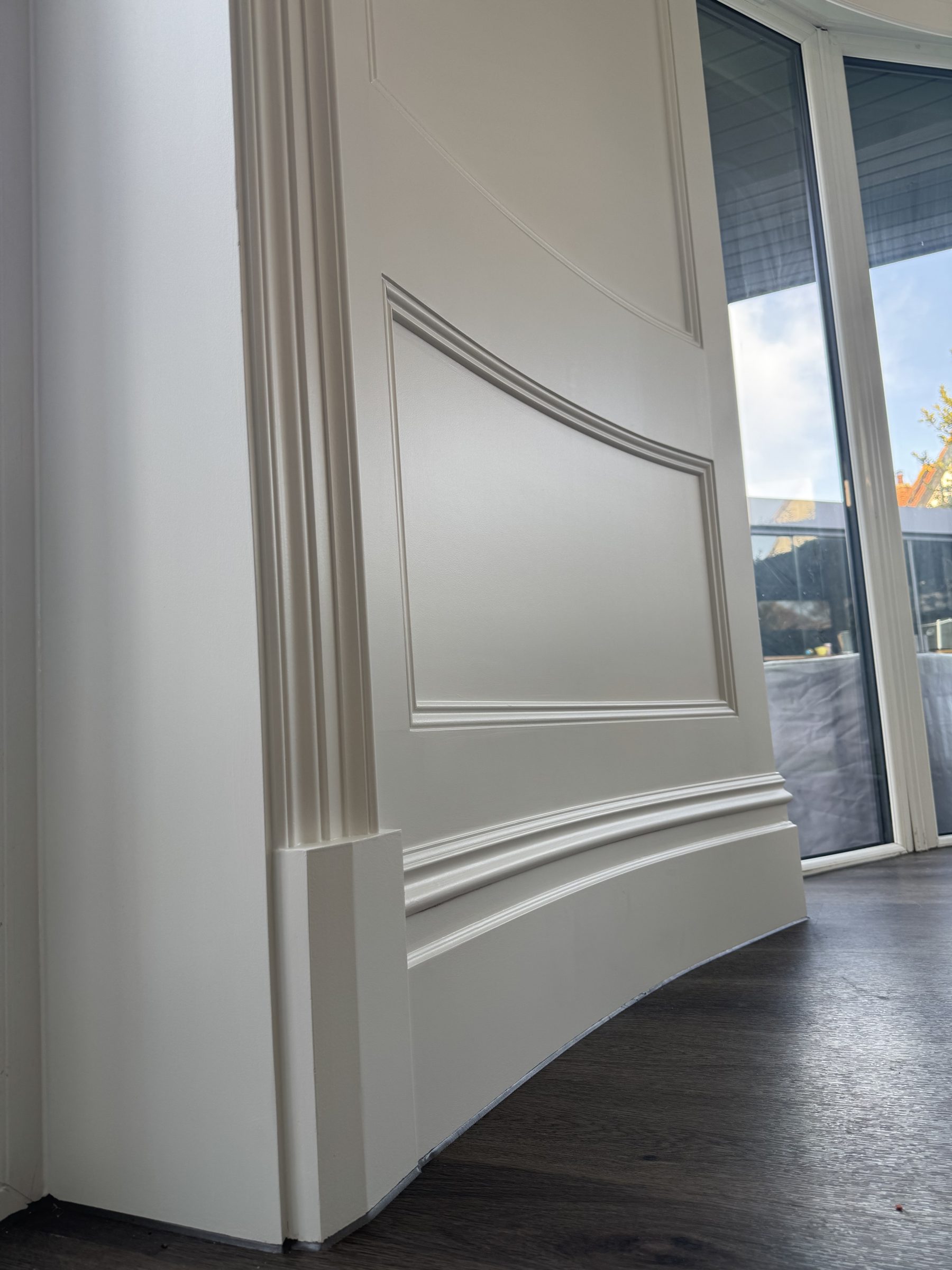
Period panelling across Hampshire
We measure every wall on site before designing, because no two period rooms are the same.
Where we work
Based in Hampshire since 2007 and working across the county.
Houses we work in
- Victorian terraces and villas
- Georgian townhouses
- Edwardian houses
- listed buildings
Ask about period panelling
Wall panelling for Victorian, Georgian and older houses, made to match the room.
Guides that answer the usual questions
- Panelling in listed buildings and conservation areas
Consent, historic fabric, breathability, reversible fixings and matching original profiles.
- Dado rail vs full-height panelling: how to choose
Proportions, ceiling heights, cost and which rooms suit each approach.
- Shaker panelling: the complete guide to the most popular style in Britain
Proportions, materials, cost and the setting-out rules behind the classic shaker grid.
Other work in older houses
To sum up
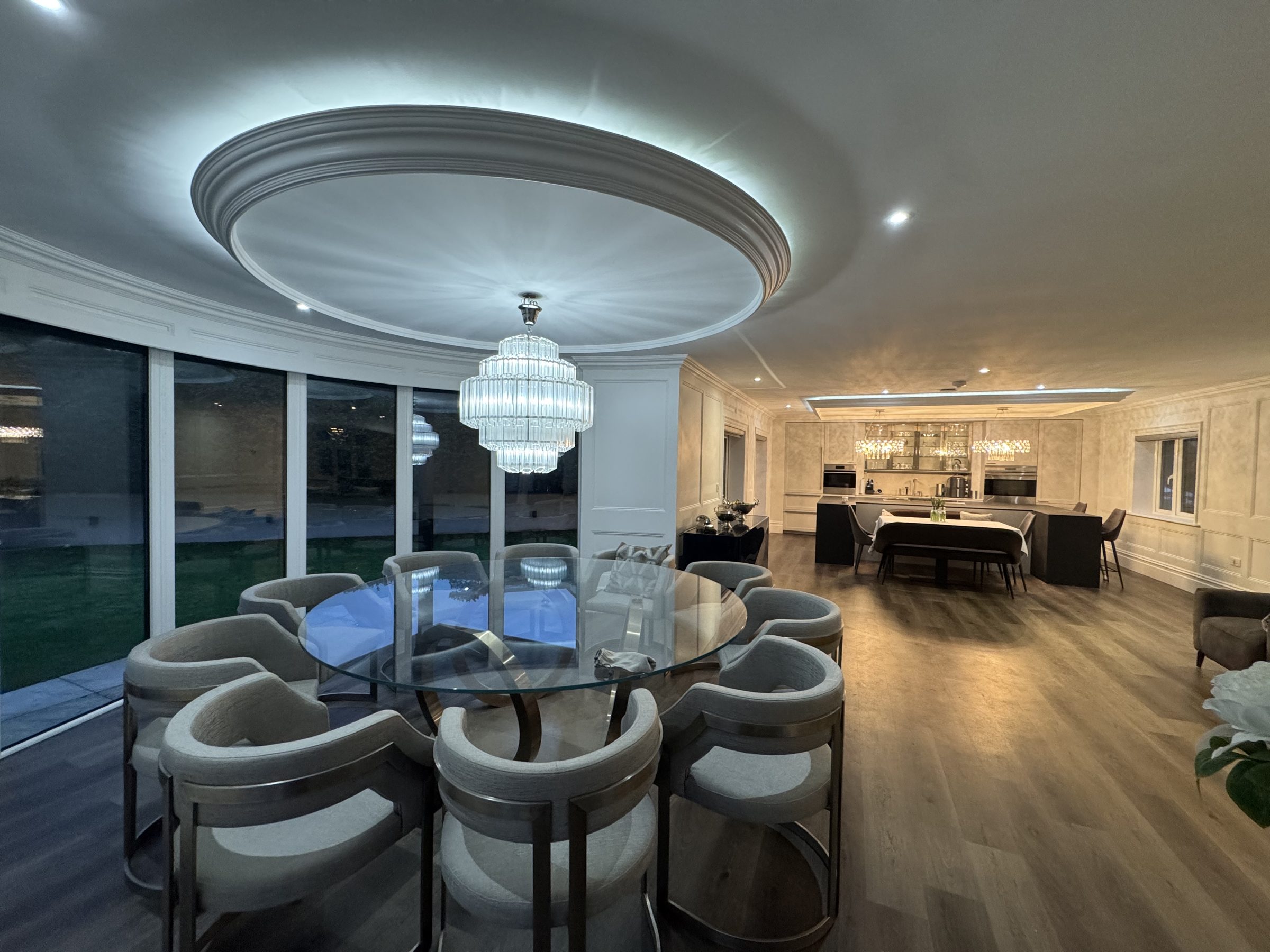
Period panelling is set out to the room's own proportions and scribed to its walls, so it looks as though it was always there.
Ask about period panelling
Send us a photo of the room and tell us roughly how old the house is, and we will suggest a style.