
Skirting boards installation
Skirting boards installation
Skirting boards installation and replacement by VIP Walls, cut to the room and left ready for decoration.
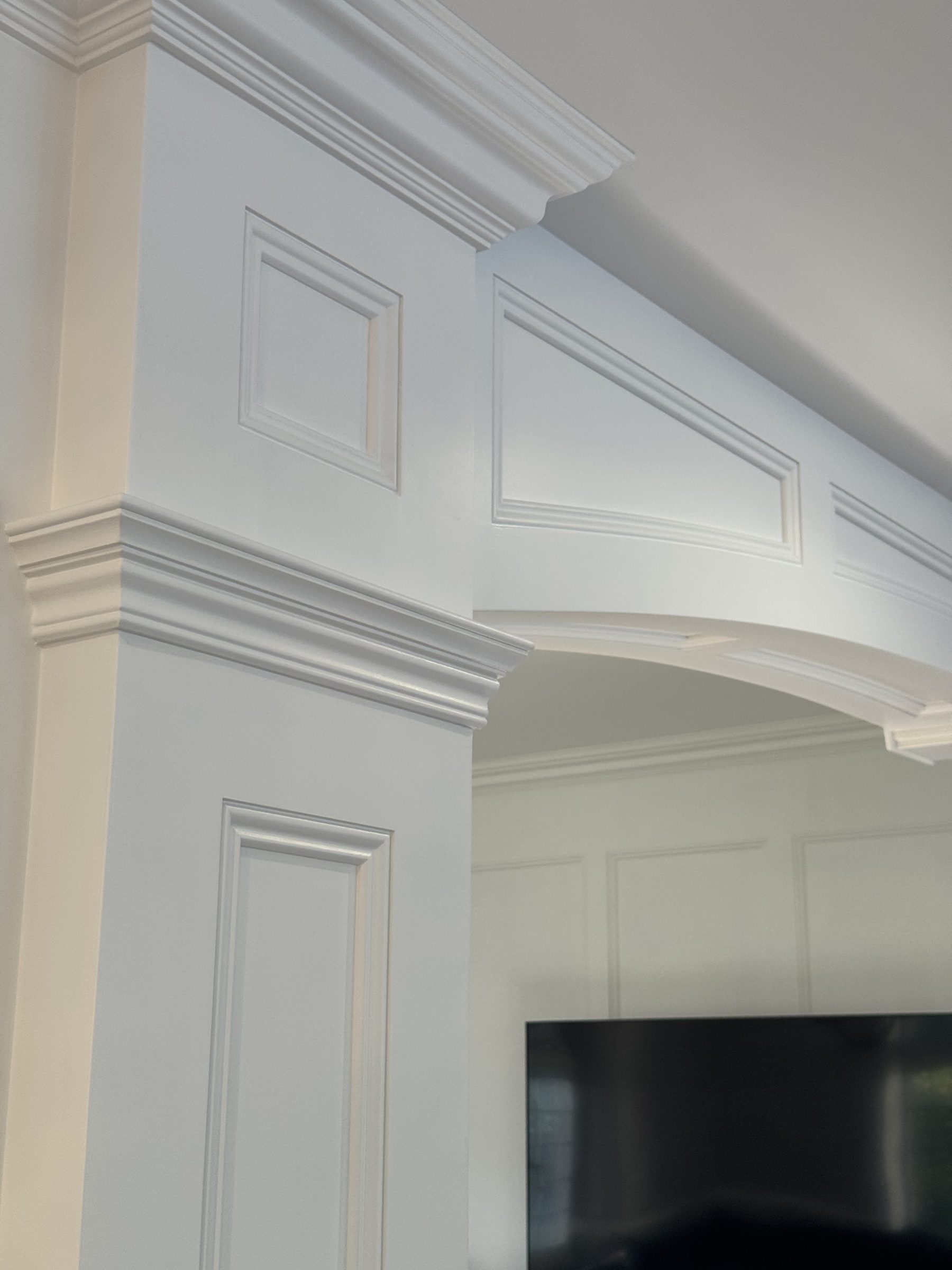
Skirting board fitting can be a job on its own, rather than part of a complete room refurbishment. Boards may be damaged, missing after building work or unsuitable for a new floor. Start by deciding which lengths need replacing and which can stay. Keeping sound boards elsewhere in the room can make the profile and height of the replacements important.
What to consider
- New skirting and replacement boards
- Profiles matched to existing woodwork
- Edges scribed to uneven walls and floors
- Work left ready for decoration
Replacing skirting without changing all the woodwork
New skirting should meet the existing architrave properly at each doorway. Check the thickness as well as the height: a deep board can project beyond a thinner door surround. If only part of a room is being replaced, a short sample or clear photograph of the existing profile helps explain what needs matching. The final fit still needs checking on site.
Removing old boards and checking the wall
Old skirting can be nailed, screwed or bonded to the wall, sometimes with several layers of paint across the top edge. Removal needs care around plaster, flooring and adjoining trim. Agree whether taking off the boards, clearing the waste and repairing the exposed wall are included. A fitting quote should not leave those tasks assumed by both sides.
The wall behind a board may need preparation before the replacement can be fixed. Loose plaster is not a sound fixing surface. Signs of damp also need investigating rather than covering with new timber. Pipes or cables may run near the floor, so suitable fixing positions must be checked before drilling or nailing into an existing wall.
Profiles, materials and decoration
Plain, rounded and more detailed moulded profiles give different edges to the room. Look at the existing doors and other trim before choosing. Taller skirting needs enough uninterrupted wall height, particularly below low radiators or sockets. A profile that works in a photograph may be awkward where several doorways and short wall sections interrupt the run.
Painted MDF and timber boards have different preparation needs. Choose material suitable for the room and follow its finishing instructions, including treatment of cut edges. Agree whether the work is supplied primed, filled and ready for decoration or whether painting is part of a separate job. Matching a profile does not automatically mean matching an old paint colour.
Uneven floors, corners and fitting order
Skirting needs setting out around the whole room, not simply fixing each length in isolation. Internal corners can be scribed so the profile fits against the adjoining board. External corners need careful cutting and a sound joint. Long walls may need a joint between lengths, with its position chosen away from an awkward corner where possible.
The floor line affects the bottom edge. Scribing can follow unevenness without leaving the board visibly tilted, but skirting is not a cure for a moving floor. Tell the fitter if flooring, plastering or door work is still planned. Agree the order first so new boards do not have to come off again when another part of the room changes.
What affects skirting boards installation cost
New skirting boards cost depends on more than the room perimeter. Profile, material, corners, short returns and uneven surfaces all affect the work. Removing old boards and making good can add a separate stage. Skirting boards cost per metre is only useful when the quote also explains those conditions and what is included in the fitting.
Compare quotes for the same board and scope. List the rooms, say whether old skirting is staying or being removed, and identify any planned flooring. Timing depends on those details and the preparation needed. The replacement cost guide explains skirting alongside architrave; this service page focuses on fitting the boards themselves.
See also: skirting and architrave replacement cost.
Planning the next step
Describe what needs fitting or repairing, with a photograph showing the existing joinery. Include any planned flooring or decoration, and say which parts you want to keep.
See also: Related joinery and fitting.
Ask about skirting board fitting
Skirting boards installation and replacement by VIP Walls, cut to the room and left ready for decoration.
Skirting Board Fitting questions
- Can new skirting match the boards already in the house?
- Profiles can be matched to existing woodwork. Check the height, thickness and shape together, particularly where new boards meet old architrave. A sample helps identify the profile.
- Should skirting be fitted before or after new flooring?
- It depends on the floor system and whether the boards are being replaced. Agree the order with the fitter and flooring installer so the edge detail and any movement gap suit the finished floor.
- What affects skirting board fitting cost?
- The length, material, profile, corners and condition of the walls and floors matter. Check whether removal, waste clearance, making good and decoration are included.
- How long does skirting replacement take?
- The number of rooms, removal work, corners and preparation affect the fitting time. Describe those details when asking for a quote and agree the sequence around other room work.
Worth reading first
- Skirting and Architrave Replacement Cost: What to Expect
A practical look at replacing skirting boards and architrave, covering profile choice, height, dealing with uneven floors, and guide pricing per metre.
- Gaps Under Skirting Boards and What Uneven Floors Do to Them
Why gaps appear beneath skirting boards, particularly in older Hampshire houses with sloping floors, and when scribing and packing beat a tube of caulk.
Other panelling and joinery
In short
Skirting boards installation and replacement by VIP Walls, cut to the room and left ready for decoration.
Ask about skirting board fitting
Tell us what you have in mind, with a photo and rough measurements of the space.